Holistic Natural Resource Management of Crow’s Nest Shire (‘Project Green Nest’)
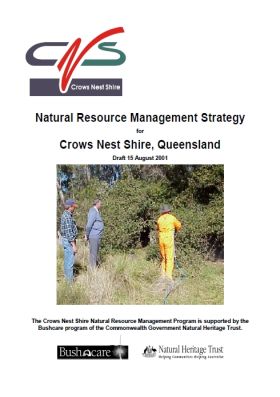
Project Green Nest was acclaimed for its innovative strategies and the way in which it engaged the community.



Project Green Nest was acclaimed for its innovative strategies and the way in which it engaged the community.
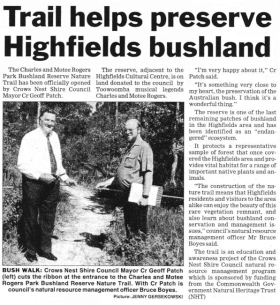
Newspaper article published during the Holistic Natural Resource Management of Crows Nest Shire Project (‘Project Green Nest’).
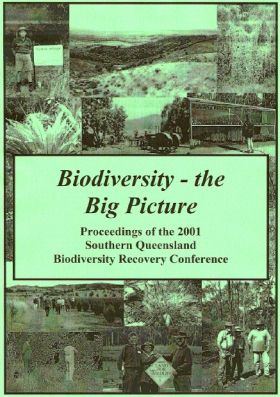
How do we maximise the ability of Regional Vegetation Management Plans (RVMPs) process, the National Action Plan for Salinity and Water Quality (NAPSWQ), Natural Heritage Trust Stage Two (NHT2) and other key processes and initiatives to deliver biodiversity conservation outcomes? …
2001 Southern Queensland Biodiversity Recovery Conference Read more »
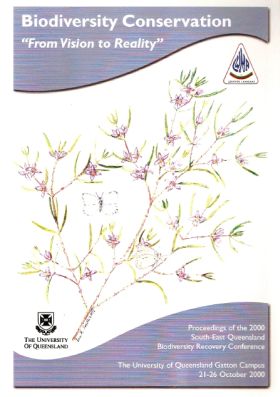
I initiated, organised and convened the 2000 South-East Queensland Biodiversity Recovery Conference, which had the theme Taking Biodiversity Conservation “From Vision to Reality”. Held at the University of Queensland Gatton Campus from 21-26 October 2000, the conference brought together almost …
2000 South East Queensland Biodiversity Recovery Conference Read more »
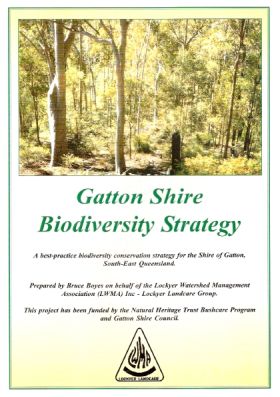
I prepared the Gatton Shire Biodiversity Strategy in 2000 as a component of the Natural Heritage Trust (NHT) funded Gatton Shire Vegetation Assessment and Conservation Project. The Strategy advanced innovative win-win solutions to benefit both biodiversity and the landholders and …
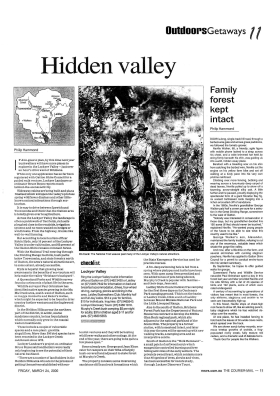
Newspaper article published after the Sustainable Management of the Helidon Hills Project.
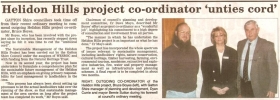
Newspaper article published at the completion of the Sustainable Management of the Helidon Hills Project.
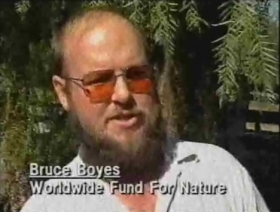
Television news story to launch of the Glen Rock Green Corps Project. The project engaged unemployed young people to carry out nature conservation work and visitor facility construction at the Glen Rock Regional Park in the southern Lockyer Valley, Queensland, Australia.
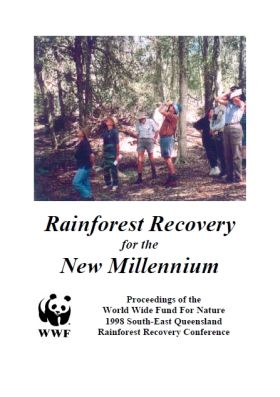
While working with the World Wide Fund for Nature Australia (WWF), I organised and convened the 1998 South-East Queensland Rainforest Recovery Conference, titled Rainforest Recovery for the New Millennium. The conference brought together landholders, government bodies, scientists and Landcare and …
1998 WWF South-East Queensland Rainforest Recovery Conference Read more »
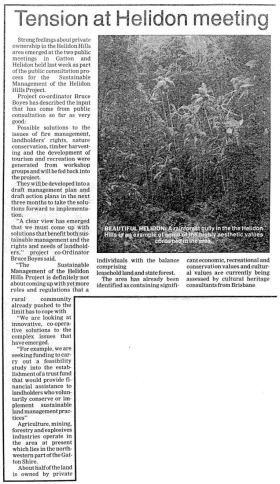
Newspaper article published at the commencement of the Sustainable Management of the Helidon Hills Project.